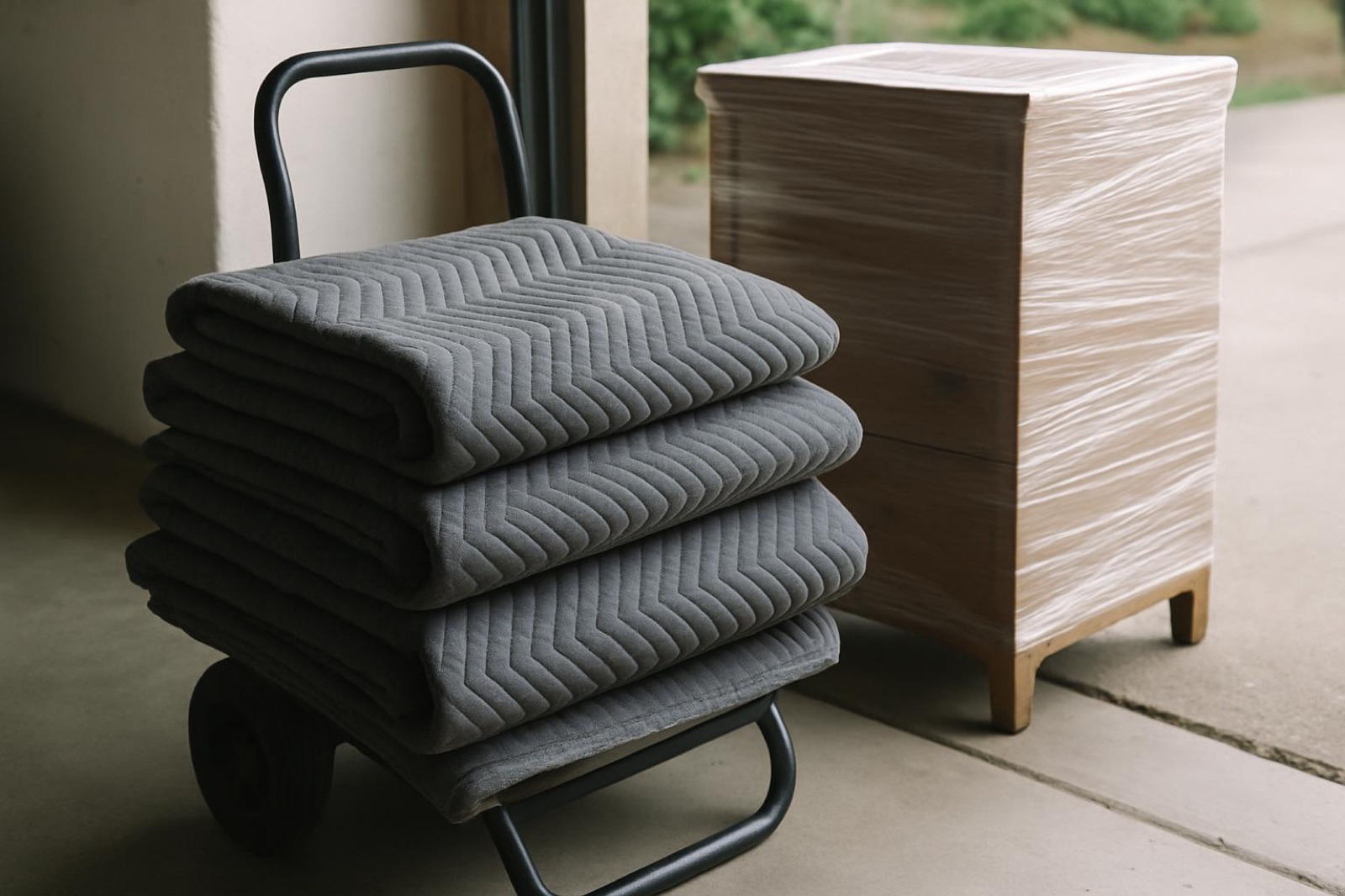
One crew, start to finish
A lot of long-distance moves put your things into a shared trailer that gets delivered by a different crew days later. We load in Atlanta and unload at the new address ourselves, usually on the same trip.
That means the people who wrapped your dining table are the same people setting it down at the other end. Nothing gets relabeled or handed off along the way.
Pricing by weight and distance
Long hauls are priced by the weight of the load and the miles driven. We walk your rooms first, give you a written figure, and weigh the loaded truck before we leave so the final number is tied to something real.
Because we run these routes often, we know which stretches of I-75 and I-20 back up on a Friday afternoon and plan the departure time around it.
Georgia summers on the road
A closed trailer sitting in a July afternoon gets hotter than the air outside. We load candles, electronics, and houseplants last so they come off first, and anything that melts or wilts is better off riding in your own car.
We also plan early departures on the hottest days so the heaviest loading happens before the afternoon sun really sets in.
What you get in writing
Every long-distance job comes with a written estimate, an inventory taken at loading, and a copy of the weight ticket. If the scope changes on the day because a garage turns out to hold more than expected, we tell you before we load it, not after.
Delivery windows for trips out of state are given as a range rather than a single day, since weather and traffic along the route can shift the arrival by half a day either direction.
Choosing between long-distance and a rental truck
Driving a rented truck yourself sounds cheaper until you count the fuel, the mileage charge, the extra night on the road, and the days taken off work. Loading a large truck yourself in Georgia heat without a ramp crew adds real risk on top of that.
For a small apartment, a rental can still make sense. For a full house with a piano or a garage full of tools, hiring a crew that has done the route before tends to be the calmer choice.
Common Southeast destinations
A good share of our long-distance work heads out along I-75 toward Florida, along I-20 into Alabama and beyond, or up I-85 toward the Carolinas and Virginia. Each of those corridors has its own rhythm of traffic and weather, and crews who run them regularly know what to expect on a given week.
Trips into Florida often mean planning around afternoon storms that build up almost every summer day, the same way Atlanta does but sometimes worse near the coast. We check the forecast for both ends of the trip, not just the starting point.
For moves heading north through the Carolinas, mountain grades on some routes can slow a loaded truck more than the mileage alone suggests, so the estimated drive time accounts for that rather than assuming flat highway speeds the whole way.
Coordinating a move with a new job
Plenty of our long-distance clients are relocating for work, with a start date that does not move even if the moving truck runs a day behind. We build in a buffer where we can and communicate clearly if weather or traffic threatens the delivery window, so you are never guessing whether your things will arrive before your first day.